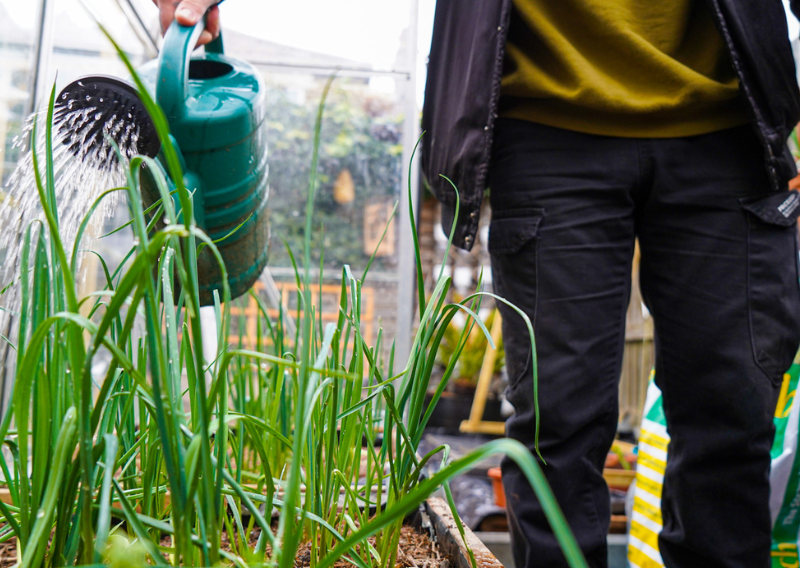
How To Make A DIY Vinegar Extraction With Just 2 Ingredients

How To Make A DIY Vinegar Extraction With Just 2 Ingredients

I recently stumbled upon a cool, eco-friendly, low-cost gardening hack that has truly transformed the way I look at my garden. I picked it up from the JADAM book and found a different take on it by Nigel Palmer. Both versions have been equally enlightening. This simple yet powerful extraction technique is referred to as WCA (water-soluble calcium), and it’s an absolute game changer.

Vinegar and Eggshells – The Magic Potion

So, it turns out your kitchen holds some powerful secret ingredients that’ll make your plants go “wow”. The humble organic apple cider vinegar, eggshells, bones, or even sea shells you have lying around can be turned into a potent plant booster. When mixed together, these ingredients extract calcium and other minerals that are perfect for your garden.

I sourced eggshells from my neighbors as they have a couple of chickens in the garden.

The best part? The minerals are in a form that your plants can absorb and use immediately, without any additional processing required. Imagine it like a ready-to-use, plant-friendly multivitamin.

The Power of Vinegar Extraction

Now, I bet you’re thinking, “Vinegar? Isn’t that going to kill my plants?” Well, not exactly. While it’s true that vinegar is known for its acetic nature and can be a potent weed killer, it’s all about how you use it. When extracted and diluted properly, vinegar actually turns into a gentle yet effective fertilizer for your plants.

    How to Make DIY Vinegar Extraction

    • Crush the 8x eggshells and bake them for 1 hour (150C/300F)
    • Add to a jar
    • Add organic apple cider vinegar
    • Add a breathable cover on top and strain in 1 week before using

    Alright, here’s the important part – getting the dilution right. For every 15L (4 Gallons) of water, add either 1 or 2 tablespoons of the vinegar extraction. That corresponds to a dilution ratio of 1:500 or 1:1000.

    Benefits of this Gardening Hack

    Besides the obvious cost-effectiveness (no more expensive store-bought fertilizers!), there are a whole bunch of advantages to this DIY vinegar extraction. The concoction provides essential nutrients like phosphorus, potassium, and magnesium to your plants. This not only promotes healthier growth but also results in robust blossoms. It’s like giving your plants a supercharged energy drink!

    And don’t worry about harming the good microbes while watering your garden. As long as you stick to rainwater or filtered water, the beneficial microbial activity remains intact. I’ve been using this mostly as a foliar spray and it’s been a great solution for issues like blossom end rot on tomatoes, or for a quick absorption of minerals!

    This vinegar extraction technique is a simple, cost-effective, and eco-friendly way to supercharge your plants. Give it a try and let me know how it goes. I can’t wait to hear about your lush, vibrant garden!

    Happy growing!
    Transform Your Space: The Ultimate Guide to DIY Vertical Gardening

    Transform Your Space: The Ultimate Guide to DIY Vertical Gardening

    Do you want to start gardening, but you’re doubting it because you don’t have a lot of space at home? You don’t have to worry, and you don’t need a lot of space to grow food! It’s all about how you use the space that you already have available. One of the keys to this is to do DIY Vertical Gardening! I’ll show you why it is important and how you can do it with just a few easy steps.

    Our garden in London is just a modest 8 x 5 meters, but we made sure to use all the spaces available using vertical gardening. If our garden is this small and we make it, I’m sure you can make it too!

    Why Go Vertical?

    Vertical gardening isn’t just a garden fashion trend; it’s a solution to maximize space, add a touch of nature to your surroundings, and harvest as much as you can. Here’s why you should consider going vertical with your gardening:

    1. Space-Saving: Vertical gardens take advantage of vertical space, making them perfect for small areas. Whether you live in an apartment or have a compact backyard, you can create a beautiful garden without needing a large footprint.

    2. Enhanced Aesthetics: A well-designed vertical garden can transform a plain wall into a stunning area. Imagine a place in your garden where guests can chill and calm down beside a beautiful vertical garden. It’s a relaxing atmosphere!

    3. Better Air Quality: Plants are natural air purifiers. By adding a vertical garden to your home, you’re increasing the number of plants, which in turn helps to filter out pollutants and improve the air quality.

    4. Improved Mental Health: Gardening has been proven to reduce stress and promote mental well-being. A vertical garden brings the therapeutic benefits of gardening into your daily life, even if you’re tight on space.

    5. Increased Yields: Vertical gardens can actually lead to higher yields for certain crops. By training plants to grow upwards, you can make the most of your growing space, allowing for more plants and, consequently, more produce.

      Getting Started With DIY Vertical Garden

      Materials:

      • 8 x 5L bottles (plastic type 2 – HDPE)
      • Drill
      • 1 x drill bit 35 mm gauge
      • Hammer and nail
      • 1 x expanding wood trellis
      • Vermiculite
      • Compost mix
      • Straw

      How To Do It: Step-By-Step Procedure:

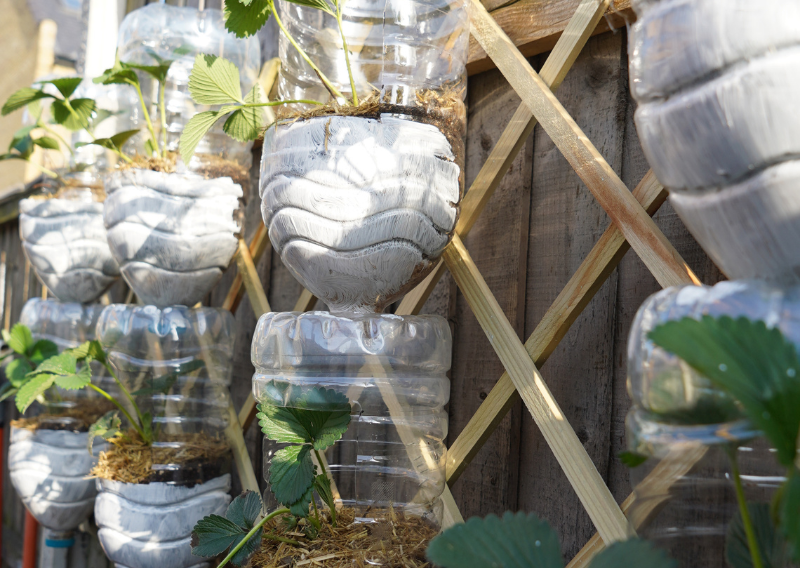
      1. Drill the bottom of a 5L bottle (plastic type 2 – HDPE) using a 35mm drill bit and make a hole to join 2 bottles
      2. Square mark the opening of the bottle and cut using a cutter
      3. Make multiple small holes on every cap and secure them in place
      4. Get your expanding wood trellis and fix it on the wall or fence
      5. Staple the DIY bottles on the trellis
      6. Add vermiculite for drainage and add compost mix
      7. Plant your chosen plant 1 for each bottle (I chose strawberry) then add mulch (optional)
      8. Paint a white color to the base of the DIY bottle and water only the top layer

      NOTE: make your own version using any similar material available and have fun growing your own food, no matter the space available!

      Vertical gardening brings up a world of alternatives, allowing you to experience the beauty and advantages of gardening regardless of your available space. It’s an innovative way to incorporate nature into your urban space, improve air quality, and boost your mental wellness. So, why wait? Start your DIY vertical garden today and see how your small space develops into a healthy garden.

      Trust me, once you see your garden growing vertically, you will wonder why you didn’t start sooner.

      Happy growing!

      An Easy Step-by-Step Guide To Building DIY Bug Hotel At Home

      An Easy Step-by-Step Guide To Building DIY Bug Hotel At Home

      Are you familiar with a DIY Bug Hotel? Building a bug hotel is the best way to help the insects that you attract to your garden. They provide a home for beneficial insects like bees, ladybugs, and lacewings. They will then increase biodiversity, pollinate your plants, and prey on pests! These structures offer shelter, nesting sites, and a safe place to hibernate during the winter.

      By building a bug hotel, you’re not just creating a charming garden feature; you’re actively supporting the ecosystem and promoting biodiversity in your own backyard. We’ve made our very own and we really enjoyed the process. It looks great and it’s an amazing addition to our garden. Today, I’ll show you how we made it.

      Building Your Bug Hotel: A Step-by-Step Guide

      Materials You’ll Need:

      • 4 x same size timber
      • 1 x square/rectangular hardwood sheet
      • Different materials from the woods
      • 1 x metal wire net
      • 1 x stapler

      Step-by-Step Guide:

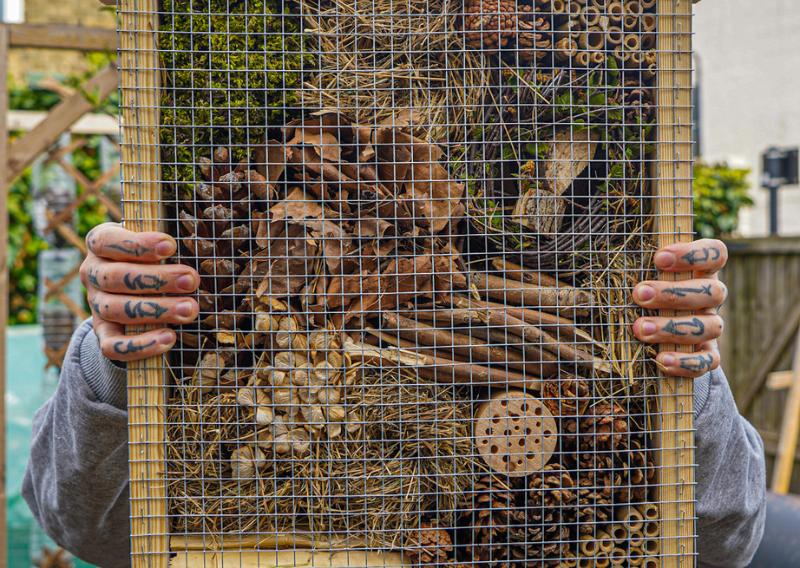
      1. Find materials such as moss, pine cones, bamboo canes, red stems, dry leaves, twigs, and bark
      2. Prepare the timber and cut it according to your desired size (make 4 equal sizes)
      3. Cut a rectangular hardboard sheet and it should fit to the size of the timber
      4. Make a frame using the 4 timer and attach the hardboard at the back
      5. Prepare the insect houses by drilling small woods
      6. Add all your materials inside the frame
      7. Staple metal wire by netting to hold them
      8. Make a knot on one end using a natural twine and fix it at the back
      9. Hang into a sheltered area and it’s now ready to host insects

      Note: Source your materials sustainably, especially if you pick up moss!

        Why DIY Bug Hotel Is Important:

        1. Pollination: Many insects, such as bees and butterflies, are excellent pollinators. They help plants reproduce by transferring pollen from one flower to another, leading to the production of fruits and seeds. Without these pollinators, many of our favorite fruits and vegetables wouldn’t exist.

        2. Pest Control: Beneficial insects like ladybugs, lacewings, and predatory beetles feed on garden pests such as aphids, mites, and caterpillars. By providing a home for these helpful insects, you can naturally reduce the population of harmful pests and maintain the health of your plants.

        3. Soil Health: Bugs like beetles and ants help decompose organic matter, turning dead leaves and plants into rich, fertile soil. This process improves soil structure and nutrient content, making your garden more productive.

        4. Biodiversity: Encouraging a variety of insect species in your garden promotes biodiversity. A diverse ecosystem is more resilient to diseases, pests, and environmental changes, ensuring your garden remains healthy and vibrant.

        Once your bug hotel is in place, it won’t be long before you start seeing more insects in your garden. These tiny guests will get to work pollinating your plants, controlling pests, and enriching your soil. And remember, every small step you take towards supporting your garden’s ecosystem makes a big difference.

        Happy growing!

        How To Save Seeds From Your Own Backyard Garden

        How To Save Seeds From Your Own Backyard Garden

        Did you know that you can save your own seeds using plants growing in your backyard? Aside from planting, one of the things that I enjoy the most is saving seeds. It’s an essential task for every gardener! Seeds embody the qualities that communities value most, they carry more than just biodiversity, they carry culture! If it weren’t for farmers and gardeners cultivating, selecting, and saving seeds, most varieties would be lost forever.

        People love oranges, grapes, and other fruits without seeds and it’s more like a trend that people opt-in for “seedless” food so they won’t take extra time to get rid of it, but for us gardeners, it’s important to keep the seeds in plants, otherwise, we will start losing these very important gems. For a more sustainable future, it makes sense to save seeds and produce your own food. Using, storing, and passing on seeds is a good way to ensure their long-term viability and your own independence.

        Why Save Seeds?

        1. Sustainability and Self-Sufficiency- You’re essentially creating your own seed bank, ensuring that you have a ready supply of seeds tailored to your garden’s specific conditions.
        2. Preservation of Heirlooms- Heirloom varieties, passed down through generations, can be preserved by saving seeds. This helps maintain unique plant characteristics and flavors that might otherwise be lost
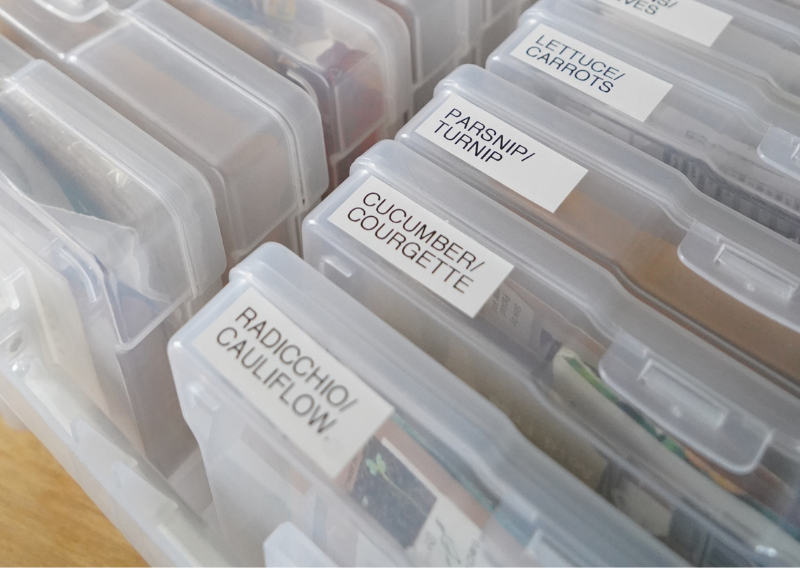
        3. Personal Connection- Saving seeds fosters a deeper connection with your plants and the natural cycles of growth and renewal. It’s a gratifying process that allows you to witness the full life cycle of your plants, from seed to harvest and back to seed. I personally have a whole box filled with different kinds and varieties of seeds!

        What Are The Seeds That I Can Save?

        Start with open-pollinated or heirloom varieties, as these will produce true-to-type seeds. Avoid hybrids, as their seeds may not reliably reproduce the parent plant’s traits. Some easy plants to begin with include tomatoes, beans, peas, and peppers.

        Heirloom tomatoes, Calendula flower, Trinity beans, Dry peas plants, Tiger stripe tomatoes, Azoychka tomatoes, Green zebra tomatoes, Chocolate stripe tomatoes, Pink mizuna, and Shishito pepper are all seeds that we generally save from our garden.

          How To Save The Seeds of Peppers and Tomatoes?

          Peppers

          • Cut the pepper vertically and remove seeds from the placenta
          • Spread the seeds on a plate
          • Leave for a few days and let it dry
          • Come back 3-5 days later and store in paper bags

          Tomatoes

          • Scoop out gelatine and seeds
          • Place the gelatine and seeds into a cup and add water
          • Mix daily so that the seeds will be separated from the gelatine
          • Strain the seeds 3 days later
          • Dry and store

          Saving seeds is more than just producing plants; it’s about developing a long-term relationship with your garden. Each seed represents the promise for a new plant, a new season, and a lasting legacy of your gardening efforts. Saving seeds connects you to a bigger network of gardeners who care about plant diversity and the environment.

          Never underestimate the impact of growing your own food and preserving seeds for the next generation!

          Happy gardening!

          How To Repel Slugs and Snails: A Gentle Approach to Protecting Your Garden

          How To Repel Slugs and Snails: A Gentle Approach to Protecting Your Garden

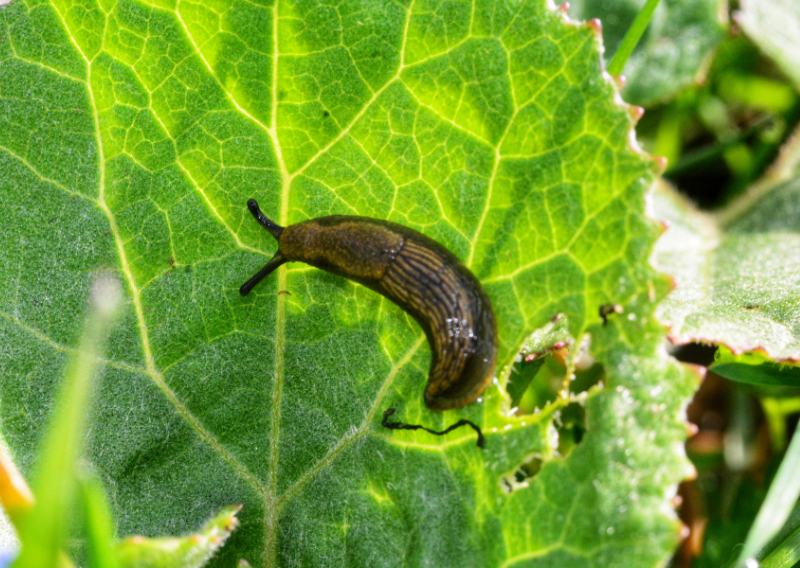
          As a gardener, you may have observed telltale signs of slug and snail activity, such as holes in your leaves, slime trails, and damaged plants. These tiny insects may be a gardener’s nightmare, especially if they attack your favorite flowers or veggies. I’ve suffered from this before and I can totally relate to the headache that it may cause. But, before you try the slug bait, consider a more environmentally friendly solution: repelling rather than killing them.

          There are many ways to repel and control slugs and snails in your garden without harming them in any way like the nasty beer traps or even worse by using chemicals that could be harmful to pets and wildlife.

          This is why it’s really important to mimic nature and create an ecosystem that will help you to be on top of pests and diseases.

          Why Repel Instead of Killing?

          Slugs and snails serve an important function in the environment. They help decompose organic materials and recycle nutrients back into the soil. Killing them breaks this balance, which may lead to additional problems. Also, many slug and snail control products can kill other animals, such as beneficial insects, birds, and even dogs.

          By repelling them, we can protect our gardens while causing unnecessary damage. Learning to coexist with them teaches us important lessons about sustainable gardening and respect for all living beings.

            Effective Ways to Repel Slugs and Snails

            • Copper Tools

            Slugs and snails have blood-based on copper, which means they don’t have an independent magnetic field and are more sensitive to the Earth’s magnetic force. Using non-copper tools to turn the soil you will leave a ‘signature’ in the magnetic field. Snails and slugs come at night following the lines of force and they will stop where you disturbed it, eating your plants.

            • Logs and Cardboard

            Leaving logs and cardboard around the garden will offer shelter for slugs and snails so you can just lift your logs and pick them up the day after. Also, always check under your pots and around your raised beds.

            • Miniature Pond

            Having a pond supports more wildlife than any other garden feature, which is great news for those looking to get on top of their slug problem using natural pest control methods.

            • Head Torch

            Going out with a light at night is a great way to pick slugs and snails by hand and relocate them to your local park. You can keep them in a covered bucket overnight by adding a few leaves if the park is too far.

            If you want a garden that is less appealing to slugs and snails, consider planting plant varieties like those with tough, hairy, or aromatic leaves, such as lavender, rosemary, and sage. They are typically less attractive to these pests.

            Gardening is all about balance. Instead of killing slugs and snails, repel them to protect your garden’s ecosystem. This method not only protects your plants but also promotes a healthier and more vibrant garden environment.

            Incorporate these tips into your gardening practice, and you’ll be well on your way to creating a beautiful, thriving garden that coexists peacefully with nature.

            0
              0
              Your Cart
              Your cart is emptyReturn to Shop