How To Make Comfrey Fermented Plant Juice At Home (Follow These Simple Steps!)

How To Make Comfrey Fermented Plant Juice At Home (Follow These Simple Steps!)

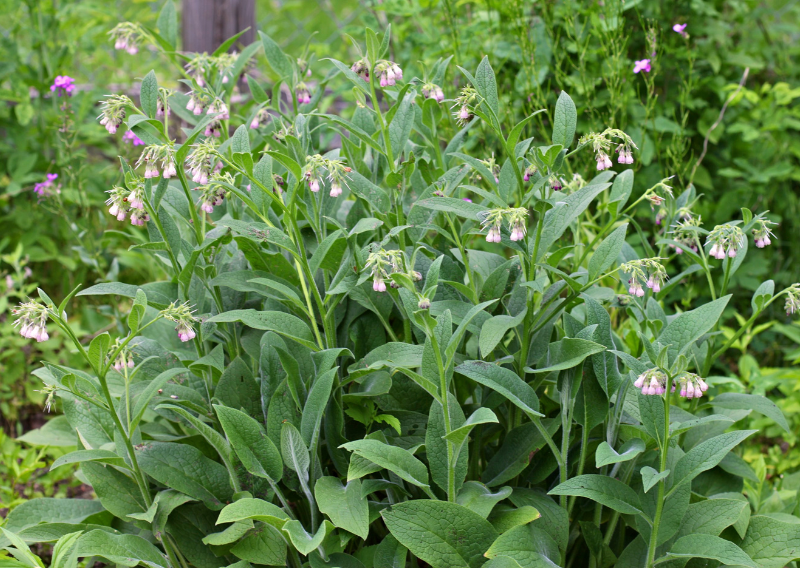
If you’re looking for an organic and sustainable way to make and keep your plants healthy, then using comfrey FPJ (fermented plant juice) is one of the keys. Comfrey, due to its deep taproot and large root system, pulls its nutrients from way down in the subsoil, which most other plants can’t reach. Comfrey is high in just about every nutrient a plant needs, including the big three, nitrogen, phosphorus, potassium, and many trace elements.

I went out early in the morning to collect all the top shots of these plants in the local forest. (2 to 3 inches of top leaves are best) I’ll show you how to make comfrey FPJ with just a few simple steps.

Step-By-Step Procedure:

1. Weight your plant material and weigh the same amount of Jaggery Sugar or Brown Sugar. Do not use processed sugar as it’s not good for microbial activity.

2. Now toss both into a large pan and mix well. Coat as much of the surface area of the plant material with sugar as possible to boost the osmotic process and draw out the plant juices.

3. I use glass jars for my FPJ, just remember not to use metal as it will react with the mixture.

4. Pack the container tightly with the plant material and brown sugar mixture until full. Make sure there are no air pockets left.

5. Make sure to clean your container with Vinegar which is great for natural farming and doesn’t mess up your inputs.

6. It would take between 5 – 7 days depending on temperature and humidity for the process to be complete.

7. After fermentation is complete (3 to 7 days), separate the plant material from the liquid using a colander or strainer.

8. Store your FPJ liquid using a jar and a breathable cover in a cool dark place.

Tips to Use Comfrey FPJ

  • To achieve the greatest results, use comfrey FPJ every two weeks during the growing season.
  • While comfrey FPJ is a powerful fertilizer, combining it with other homemade fertilizers such as nettle tea or seaweed extract can provide a wider range of nutrients.
  • Keep any remaining FPJ in a cold, dark place. It can last for several months but always smell for any unpleasant odors before using.

It is recommended to use it at 0.1% also commonly known as 1:1000 dilution. For this dilution, use 3/4 tsp per 1 gallon, and the solution is usually applied once a week.

    Benefits of Comfrey FPJ

    • Nutrient-Rich: Comfrey FPJ is rich in important nutrients and contributes to a balanced diet for plants, fostering healthy growth and plentiful yields.
    • Cost-Effective: Making comfrey FPJ is both affordable and sustainable. It decreases the demand for commercial fertilizers, resulting in long-term cost savings.
    • Organic and Safe: Comfrey FPJ is a natural alternative to artificial fertilizers. It is safe for the environment, plants, and your health.
    • Versatile: It can be used as a foliar spray, soil drench, or compost activator. It is suitable for all types of plants, including vegetables and ornamentals.

    Trust me, once you see the results, you’ll wonder how you ever gardened without it. It’s a game-changer in our garden.

    Happy growing!
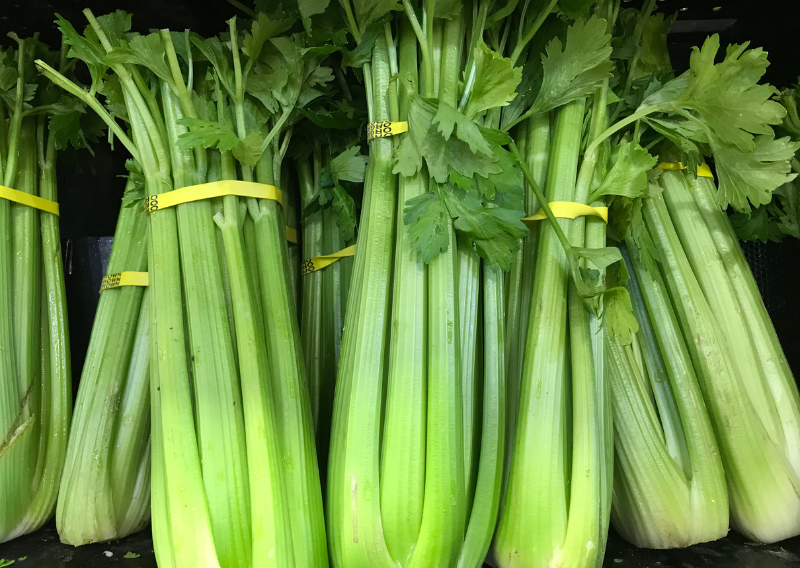
    Zero Waste Celery: Follow The 3 Simple Recipes – Zero Waste Cooking

    Zero Waste Celery: Follow The 3 Simple Recipes – Zero Waste Cooking

    Zero Waste Celery: Follow The 3 Simple Recipes

    My grandparents’ garden was always my playground when I was a kid. I still remember that I would step outside and be greeted by the crisp scent of celery every morning. It feels great. Among the rows of vibrant veggies, celery always stood out to me. And it’s funny how some things stick with you even years later. Celery remains one of my absolute favorites up until now.

    Celery is not just a crunchy snack; it’s also full of nutrients. And the best part? It’s so easy to grow at home! With just a little effort, you can transform your kitchen scraps into a flourishing garden plant. Simply cut the base of the celery, place it in water to regrow, and then transplant it into your garden. Voilà, your very own celery supply!

    But you have to know that growing celery is just the beginning. It’s in the kitchen where the real magic happens. In this blog, let me share some of my favorite celery recipes with you!

    3 Celery Recipes

    Celery Salt

    It’s incredibly versatile and can add a unique flavor to many dishes. Here’s how you can easily make it at home:

    Ingredients:

    • Leaves of a whole head of celery
    • 200g coarse salt

    Instructions:

    1. Remove and wash the leaves.
    2. Cut the leaves and dehydrate until they’re crisp.
    3. Blend the dried leaves with the coarse salt until you reach a fine consistency.
    4. Store in an airtight container. This will last you for a month!

    Celery Shot

    Need a quick pick-me-up? A celery shot is both refreshing and energizing. Plus, it’s packed with nutrients!

    Ingredients:

    • 4 celery stems
    • 1 medium ginger
    • 1 lemon

    Instructions:

    1. Juice all the ingredients and store them in the fridge.
    2. Keep the solids—don’t throw them away just yet!
    3. Bake the solids, blend them, and voilà, you have some homemade stock powder!

    Celery Gratin

    This is perfect for a cozy dinner and is surprisingly easy to make.

    Ingredients:

    • 5 to 10 celery stems
    • 1 onion
    • 2 cloves of garlic
    • 1 to 2 tbsp plant-based butter
    • 150 ml oat cream
    • 1 handful of pine nuts
    • 150 g bread crumbs
    • Plant-based Parmesan for topping

    Instructions:

    1. Preheat your oven to 180°C (350°F).
    2. Chop the celery, onion, and garlic.
    3. In a pan, sauté the onion and garlic in plant-based butter until golden.
    4. Add the chopped celery and cook until tender.
    5. Pour in the oat cream and let it simmer.
    6. Transfer the mixture to a baking dish.
    7. Top with pine nuts, bread crumbs, and a generous sprinkle of plant-based Parmesan.
    8. Bake for 20-25 minutes or until golden and crispy on top.

    Why I Love Celery

    Celery’s taste and health benefits never cease to amaze me. Whether I’m starting my day with a celery shot or ending it with a comforting celery gratin, this humble vegetable always finds a way into my heart and my kitchen.

    So, next time you find yourself with a bunch of celery, why not try one of these recipes? You will surely enjoy them especially if you eat them with your family and friends!

    Happy cooking!

    Easy and Delicious Recipe: How To Make Green Tomatoes Chutney

    Easy and Delicious Recipe: How To Make Green Tomatoes Chutney

    Green tomatoes were my grandma’s favorite snack. She would pick them fresh from the plants and sprinkle a bit of salt for a simple yet unforgettable treat. While I could never quite handle the strong flavor of raw green tomatoes, I discovered something magical in green tomato chutney. It’s a recipe that turns green tomatoes into something more delicious.

    The Magic of Green Tomatoes

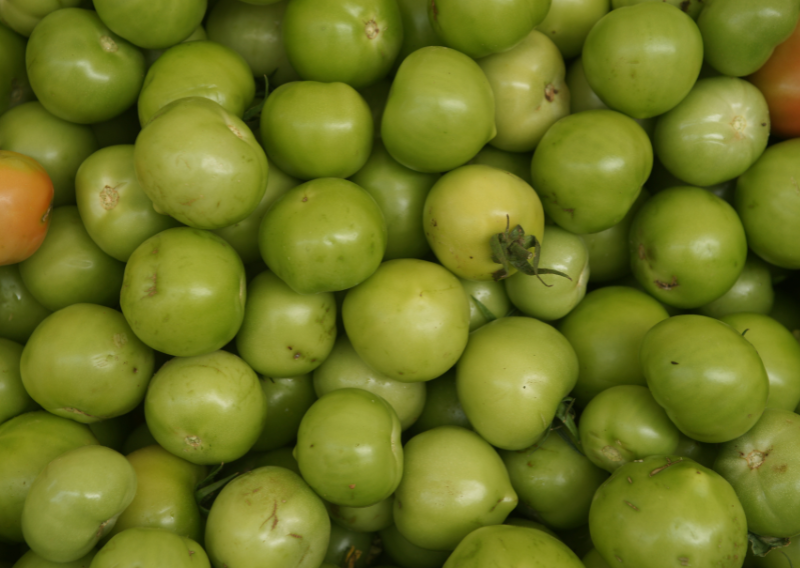
    Green tomatoes are simply tomatoes that you harvest at the end of the tomato season. Whether they’re little, medium, or big tomatoes (any size is fine) left on the plant, as long as they’re green and you know that they won’t be able to ripen because it’s late in the season, you can pick them up and make them green tomato chutney.

    In this way, you will save everything and you will have a low waste impact on your harvest.

    More than that, they bring a unique, slightly tart flavor that can be molded into something extraordinary. Their firm texture makes them perfect for cooking and when turned into chutney, they will add a burst of flavor to your dishes! 

    We recently harvested a whopping 10kg of green tomatoes and turned them into 30 jars of green tomato chutney. Let me take you through this journey by sharing the process in this blog.

    Ingredients for Green Tomato Chutney

    Here are the ingredients that you need for a sweet and savory green tomato chutney:

    • 1kg of green tomatoes
    • 400g of apples with skin
    • 100g of ginger
    • 200g of Thai basil
    • Juice of 4 oranges
    • 2 onions
    • 6 garlic cloves
    • 500g of demerara sugar
    • 500ml of vinegar
    • 1 Tbsp of salt
    • 5 Tbsp of olive oil

    The Step-By-Step Process

    1. Preparation: Start by washing and chopping the green tomatoes, apples, ginger, onions, and garlic.
    2. Mixing: In a large an, combine the tomatoes, apples, ginger, onions, garlic, and Thai basil.
    3. Adding Flavors: Pour in the orange juice, vinegar, and olive oil. Sprinkle the salt and demerara sugar over the mixture.
    4. Cooking: Bring the mixture to a boil, then reduce the heat and let it simmer. Stir occasionally to ensure it doesn’t stick to the bottom. Cook until the chutney thickens and the flavors meld together beautifully.
    5. Jarring: Once done, carefully transfer the hot chutney into sterilized jars. Clean the lid using vinegar, seal them well, and let them cool.

    Note: Ensure the chutney is stored in sterilized jars and kept in a cool, dark place for optimal preservation. Once opened, it should be refrigerated and consumed within a few weeks.

    Other Ways To Use Green Tomatoes

    While chutney is a fantastic way to use green tomatoes, there are plenty of other ideas you can try.

    1. Fried Green Tomatoes: A Southern classic, fried green tomatoes are crispy, tangy, and perfect as an appetizer or side dish.

    2. Green Tomato Relish: Similar to chutney, but with a more pronounced vinegar flavor, green tomato relish is a great addition to potato salads!

    3. Pickled Green Tomatoes: Pickling is another excellent way to preserve green tomatoes. They make a tasty snack on their own or a crunchy addition to salads and plant-based sandwiches.

    4. Green Tomato Soup: For a comforting and warming dish, cook down green tomatoes with onions, garlic, and herbs, then blend into a smooth soup. It’s a delightful twist on traditional tomato soup.

    And there you have it—a perfect batch of green tomato chutney that not only honors my grandma’s love for green tomatoes but also transforms it into a delightful condiment that can brighten up any meal.

    Whether you’re spreading it on a slice of bread or just enjoying it by the spoonful, this chutney is sure to become a favorite in your household too.

    Happy cooking!

    5 Kitchen Hacks to Save Time in the Kitchen with a Busy Life

    5 Kitchen Hacks to Save Time in the Kitchen with a Busy Life

    I understand how hectic life can be, especially when trying to balance work, family, and other responsibilities. Cooking may seem like just another duty on your never-ending to-do list. But today, I’ve got some fantastic kitchen hacks that will save you time and make cooking more fun. This blog will feature five kitchen hacks!

    Hack #1: Peeling Garlic

    We’ve all seen the viral hack where you place garlic cloves in a bowl, cover it, and shake it like you’re doing a workout. Well, if you’ve tried it, you know it doesn’t always work. Here’s what you should try:

    • Simply cover your garlic cloves with warm water
    • Let them soak for about 3 minutes
    • The skins will slide right off with zero effort
    • And don’t toss those skins—they can be saved to make a homemade condiment that adds a burst of flavor to any dish.

    Hack #2: Cooking Bell Peppers

    Roasting them can seem daunting, but I’ve got a trick to simplify it.

    • Place your bell pepper directly on the stove over an open flame
    • Let it char completely until the skin is black and the pepper feels soft to the touch
    • Once it’s cool enough to handle, the skin will peel off easily
    • Slice it open, and you’ve got perfectly roasted bell peppers ready to serve

    Quick tip: throw the skins into your compost pile. It’s a win-win for you and the environment.

    Hack #3: Peeling Tomatoes

    Tomatoes are a staple in so many recipes, but peeling them can be a hassle. Here’s a super simple way to get it done:

    • Score a small cross at the bottom of each tomato
    • Drop them into hot water for about 30 seconds
    • Immediately transfer them to a bowl of cold water
    • The skins will come off like magic

    Gentle reminder: Don’t waste those tomato skins. Dehydrate them and grind them into a fine powder to sprinkle over your dishes for an extra punch of tomato flavor.

    Hack #4: Peeling Ginger

    Ginger’s knobbly shape can make it tricky to peel with a knife. Do this instead:

    • Grab a spoon
    • Hold your ginger firmly and use the edge of the spoon to scrape off the skin

    It’s incredibly easy and you won’t lose any of that ginger. You can also save those ginger peels too! Use them to make a flavorful stalk that will elevate your soups and stews.

    Hack #5: Last-Minute Bruschetta

    Ever had unexpected guests and no food prepared? A quick and impressive solution is bruschetta. All you need is some bread, garlic, tomatoes, olive oil, and a few herbs then follow these steps:

    • Toast your bread until it’s golden and crispy
    • Rub it with a cut garlic clove to infuse it with flavor
    • Top with diced tomatoes, a drizzle of olive oil, and sprinkle with herbs like basil or oregano

    It’s a simple yet delicious snack that’s sure to impress your guests.

    These hacks are more than just time-saving; they’re game-changers in the kitchen. Whether you’re dealing with unexpected guests or simply trying to improve your everyday food preparation process, these hacks can help you handle everything like an expert. Cooking should be happy, not stressful. So, try these techniques and see how they improve your kitchen experience.

    Happy cooking!

    Veggies Power! Simple Tricks to Make Your Produce Last Longer

    Veggies Power! Simple Tricks to Make Your Produce Last Longer

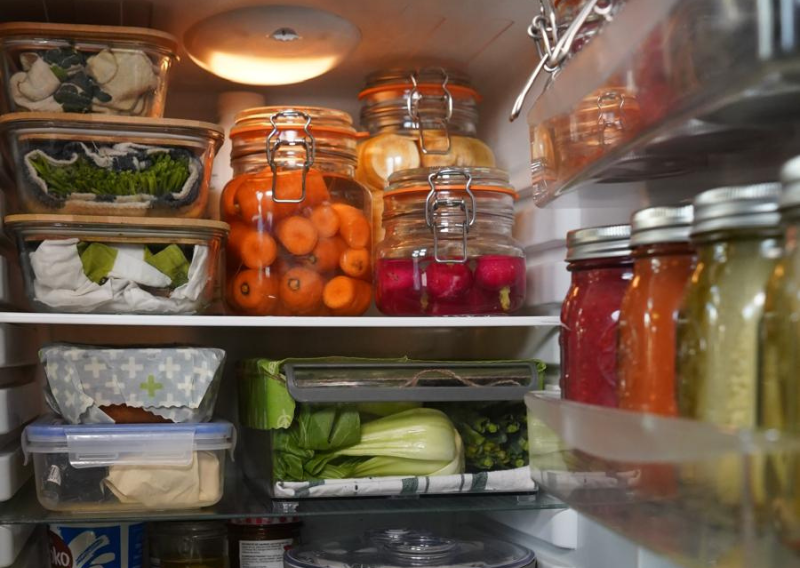
    Let’s be honest—how many times have you dug through your fridge, only to find sad, wilted veggies that have seen better days? One of the main culprits behind this waste is overbuying and not knowing how to store our food properly.

    But don’t worry! I will share some friendly, practical tips that have helped us drastically reduce food wastage and keep our veggies fresher, and longer.

    Here’s what we practice at home, and I hope it helps you too!

    Tip #1: Keep Your Greens Crunchy

    Green leaf vegetables like lettuce, spinach, and kale can lose their crispness pretty quickly. A simple trick to extend their freshness is to store them in a container with a dry paper towel. The paper towel absorbs excess moisture, keeping the leaves crunchy and ready for your next salad.

    Tip #2: Hydrate Those Stems

    Stem vegetables such as asparagus, kale, chard, spring onions, and celery benefit from a little hydration. Submerge the base of these veggies in a cup with 1-2 inches of water. Just like fresh-cut flowers, they’ll stay vibrant longer. Remember to replace the water every couple of days to keep them in tip-top shape.

    Tip #3: Berry Good Longevity

    Berries can be a bit tricky—they seem to go bad just when you’re craving them the most. To make them last longer, remove the green parts or stems, if any, and give them a quick soak in a bath of 1 liter of water mixed with 1 tablespoon of vinegar. After soaking, tap them dry with a towel and store them in an airtight container in the fridge. You’ll be amazed at how much longer they stay fresh!

    Tip #4: Herbs Need TLC Too

    Herbs like cilantro, parsley, and basil contribute great flavor to our dishes, but they wilt quickly. To extend their life, wrap your herbs in a wet towel and keep them in a sealed container. The towel’s wetness helps to keep their color and flavor, making them ready for your next cooking.

    Tip #5: Separate to Keep Fresh

    Did you know that fruits and vegetables produce ethylene gas, which causes ripening or softening? This might be a good or negative thing, depending on how you store it. To avoid early ripening and spoilage, keep your fruits and vegetables separate in the refrigerator. This easy procedure can significantly improve the shelf life of your vegetables.

    A well-organized refrigerator is a happy fridge! Items that are about to expire should be placed in the front, while those that will last longer should be kept at the back. This simple habit will help you use up foods before they spoil, decreasing waste and saving you money.

    Fun Tip: save the green tips of strawberries! Place them in a container and mix them into your smoothies. It’s a simple method to get more out of your fruit and add nutritious value to your beverages.

    I hope you find these tips as helpful as I do. Reducing food waste isn’t just good for our wallets and environment; it’s a great daily practice too. Let’s make the most out of our gardens and enjoy fresher, tastier meals. 

    Happy cooking, and let’s keep those veggies fresh!

    0
      0
      Your Cart
      Your cart is emptyReturn to Shop