How to Grow Mushrooms in Your Garden: Simple and Effective Methods

How to Grow Mushrooms in Your Garden: Simple and Effective Methods

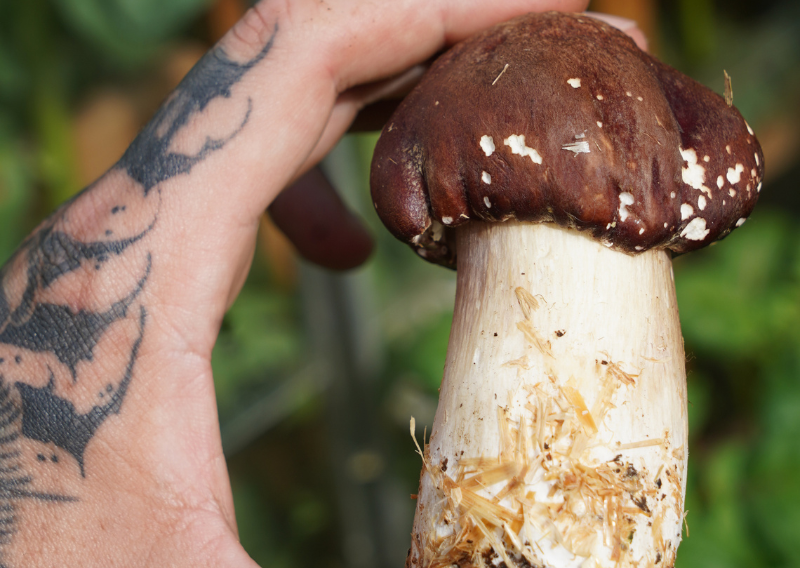
I’ve been growing mushrooms in the garden for the past few years and I can’t stop recommending to everyone to give it a go! Growing mushrooms in your garden it’s not only beneficial for food production but it also benefits your plants by creating symbiotic relationships. Mushrooms help break down organic material, enriching the soil and making nutrients more available to your plants. They also taste delicious and have loads of health benefits.

Now, let’s dive deep into 3 effective and simple ways to grow mushrooms in your garden.

Mushroom In Logs

  • 1 Oak log
  • 1 Bag of shiitake dowels
  • Drill and 8 mm drill bit
  • Hammer
  • Soy wax and brush

Steps:

  1. Drill holes into the log every 10 cm (about 4 inches) apart.
  2. Place a mushroom dowel in each hole and gently tap it in with the hammer until it’s flush with the surface.
  3. Melt some soy wax over low heat and use a brush to seal each hole. This helps keep moisture in and contaminants out.

Note: Oak is preferred due to its density and nutrient profile, but other hardwoods can work too. Also, please remember to place your log in a shady spot and keep it moist. In about 6-12 months, you’ll start seeing shiitake mushrooms sprouting from your log. It’s a beautiful process to watch!

Mushrooms in Raised Beds

  • Straw or woodchips
  • Wine cap spawn

Steps:

  1. Alternate layers of straw or woodchips with layers of mycelium (the mushroom spawn). Start with a base layer of straw or woodchips, then a layer of spawn, and repeat until you reach the top of the bed.
  2. Keep the bed well-moist, as mushrooms thrive in moist conditions.

Note: Wine cap mushrooms can grow alongside your other plants, creating a symbiotic relationship that benefits the entire bed. They help break down the straw and woodchips, enriching the soil and supporting plant growth.

Reusing Old Mushroom Blocks

If you’ve grown mushrooms before and have old mushroom blocks lying around, don’t throw them away! You can give them new life and possibly get another flush of mushrooms.

  • 1 Old mushroom block
  • Straw

Steps:

  1. Break your old mushroom block into small pieces.
  2. In a new bed or container, alternate layers of straw with the crumbled mushroom blocks.
  3. Keep everything well-moist to encourage new growth.

The Health Benefits of Mushrooms

Mushrooms will boost your health. Here are some of its benefit

1. Nutrient-Rich: Mushrooms are low in calories but high in essential nutrients like vitamins B and D, selenium, and potassium.

2. Immune Support: They contain beta-glucans, which can enhance your immune system.

3. Antioxidant Power: Mushrooms are packed with antioxidants, which help protect your cells from damage.

4. Gut Health: The fiber in mushrooms supports a healthy digestive system.

Growing mushrooms in your yard is an enjoyable, sustainable, and healthy activity. Whether you grow them on logs, raised beds, or repurposed old blocks, you’ll be adding an important element to your gardening experience. Plus, the health benefits they provide make them a great addition for your diet.

Start small, and you’ll soon be reaping the fruits (or should I say fungi?) of your efforts. Happy gardening!
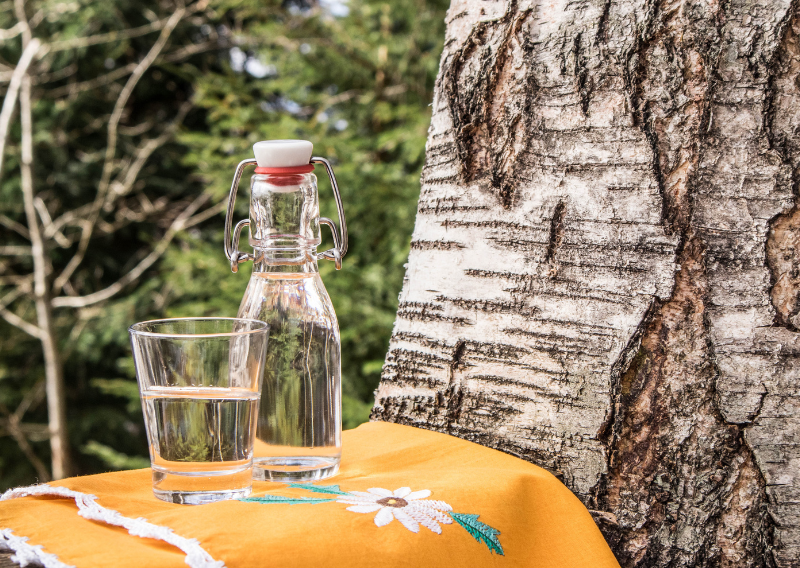
Sustainable Sipping: How to Collect Birch Water for an Eco-Friendly Drink

Sustainable Sipping: How to Collect Birch Water for an Eco-Friendly Drink

I had a walk around the woods with our friend Max (@allthingsfungi) and we had so much fun collecting birch tree sap. It was really memorable and it immediately got my interest. I realized that when we walk in nature we give ourselves the opportunity to slow down, take in the world around us, and become part of something bigger than ourselves. Even a short walk in a local park can be enough to reconnect us with the natural world and give us the inspiration we need to make a positive difference.

In this blog, let’s appreciate nature and discover the wonders of birch tree water, how to harvest it, and why you might want to make it a part of your wellness routine.

Collecting Birch Tree Sap: A Step-by-Step Guide

Ready to try collecting birch tree sap yourself? Here’s a simple guide to get you started.

  1. The best time to collect sap it’s around the second week of March
  2. Find a birch tree with a minimum diameter of 25 cm and poke a hole around 1 meter from the ground.
  3. If no sap is coming out, stop drilling and look for another tree
  4. If it starts pouring out the sap, add a small tube or similar dripping directly in a bottle or container secured in place with a rope.
  5. Leave it for 24/48 hours before coming back to collect the sap

How to Enjoy Birch Tree Water

One of the best things about birch tree water is its versatility. You can enjoy it in several ways:

  1. Drink it Fresh: The simplest way to enjoy birch water is to drink it straight from the tree. Its slightly sweet, refreshing taste is perfect for a hydrating drink.
  2. Process it into Syrup: Much like maple syrup, you can reduce birch sap to create a delicious syrup. It’s fantastic on pancakes, waffles, or even drizzled-over yogurt.
  3. Make Wine or Beer: For the adventurous, birch sap can be fermented to make unique wines and beers. It’s a fun way to experiment with new flavors and impress your friends.

    The Health Benefits of Birch Tree Water

     1. Birch tree water is a natural supply of electrolytes including potassium and magnesium. These minerals are required for proper fluid balance in the body. Birch water is an excellent alternative for replenishing after an exercise or simply staying hydrated.

    2. This miraculous sap helps in the elimination of toxins and extra fluids from the body. Drinking birch water on a regular basis can help to gently cleanse your kidneys, leaving you feeling refreshed and energized.

    3. Birch tree sap contains vitamins and minerals that help the immune system function properly. By including it in your diet, you can give your body a natural boost in fighting off infections and staying strong.

    4. Birch water has anti-inflammatory and cleansing characteristics that can help with joint pain and headaches. It’s a gentle, natural technique to relieve discomfort without using over-the-counter medicines.

    We are reminded that we have the responsibility to care for the environment to ensure that future generations can enjoy the same beauty that we do. Just like simply enjoying the birch tree water! Whether you sip it straight from the tree or experiment with making birch syrup, wine, or beer, you’re sure to enjoy the refreshing taste and numerous health benefits. And next time you’re on a spring hike, take a moment to appreciate the humble birch tree!

    Boost Flowers and Veggies Naturally: Make Your Own Compost Tea

    Boost Flowers and Veggies Naturally: Make Your Own Compost Tea

    I want to share a little gardening gem that has truly transformed our green space: compost tea. I learned this method from our friend @deannacat3 a few years ago, and now I can’t imagine gardening without it. It’s an eco-friendly solution that recycles compost and unchlorinated or rainwater, making it a win-win for your garden and the environment.

    Compost tea is a great way to use up your homemade compost while also improving the health of your plants. By brewing compost tea, you create a concentrated solution rich in beneficial microbes that promote plant nutrient absorption, and soil moisture retention, and eliminate the need for artificial fertilizers.

    My Secret Ingredient: Worm Castings

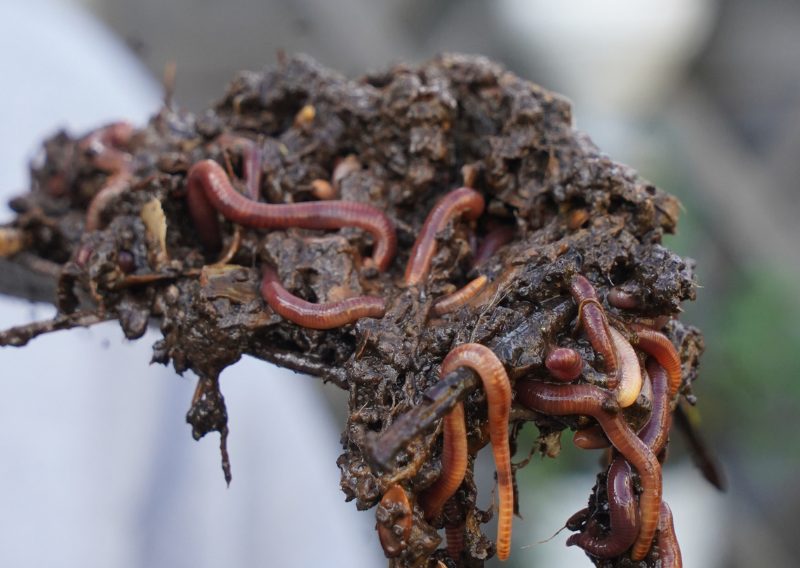
    The secret to my compost tea is worm castings from my worm farm. These little ones are awesome! Worm castings are simply worm feces, but don’t let that put you off – they’re fantastic for your plants. When added to a pail of unchlorinated water, combined with a food supply like molasses, the beneficial bacteria in the castings reproduce rapidly. What was the result? A nutrient-dense brew that your plants will love.

    Fun fact: worms left in the worm castings do not die in the bucket. They breathe through their skin and may subsist on oxygen from the water. So you don’t have to worry about injuring your worms when brewing compost tea.

    How to Harvest Worm Castings

    To collect worm casting, open your box and allow 10 minutes for the worms to bury themselves deep. You can then scoop out the top layer without risking to get the worms. There are other ways to do this but this is what I do!

    DIY Compost Tea Recipe

    1. Construct a square frame using timber and a hand saw. Attach wire mesh to the frame with staples to create a DIY sifter.

    2. Use your sifter to collect and sift worm castings from your worm farm. Remember to wait until the worms have hidden away.

    3. Place the sifted worm castings into a nylon sack. Add this sack to a bucket filled with unchlorinated water.

    4. Set up an air pump and place an air stone in the water. This ensures that the beneficial microorganisms have plenty of oxygen to thrive.

    5. Let the compost bag steep in the water for 12-24 hours. During this time, the microorganisms will multiply, creating a powerful brew.

    6. After brewing, remove the compost bag and use the tea to water your plants.

    Benefits of Compost Tea

      • Improved Nutrient Absorption: The beneficial microorganisms in compost tea help plants absorb nutrients more efficiently, leading to healthier, more robust growth.
      • Enhanced Soil Moisture Retention: Compost tea improves the soil’s ability to retain moisture, reducing the need for frequent watering.
      • Reduced Fertilizer Usage: With compost tea, you can cut down on chemical fertilizers, promoting a more natural and sustainable gardening approach.

    Making compost tea has transformed our garden. It’s simple, cost-effective, and extremely beneficial to plant health. It also feels wonderful to know that I’m utilizing a natural, environmentally friendly solution. Give it a shot, and I’m confident you’ll be as hooked as I am!

    Happy gardening!

    Brew Something New: Easy DIY Dandelion and Date Coffee Recipe (Caffeine-Free!)

    Brew Something New: Easy DIY Dandelion and Date Coffee Recipe (Caffeine-Free!)

    Almost all of us have those little habits that make our mornings feel complete. For some, it was the aroma of freshly brewed coffee but over time, brewed coffee could cause jitteriness, afternoon crashes, and restless nights. That’s why I tried to make a coffee replacement that could give the same comfort and satisfaction without the downsides and that’s when I discovered dandelion coffee and date coffee – two amazing alternatives that have completely transformed my mornings.

    Dandelion coffee is prepared from roasted dandelion roots. It is a tasty coffee alternative that has been appreciated for centuries. You might be shocked to hear that dandelions, those tiny plants that we usually miss, provide many health advantages.

    Why Dandelion Coffee?

    • Dandelion roots are rich in vitamins A, C, and K, as well as minerals including iron, calcium, and potassium. This makes dandelion coffee a nutrient-dense beverage that promotes overall wellness.
    • Dandelion root is known for its ability to help digestion. It works as a gentle laxative and cleanses the liver, giving better digestive health.
    • One of the most important benefits of dandelion coffee is that it is completely caffeine-free. You can enjoy it at any time of day without affecting your sleep pattern.
    • Dandelion roots are high in antioxidants, which assist in reducing inflammation and protect the body from free radicals.

      How To Make Dandelion Coffee

      Making dandelion coffee at home is simple and enjoyable. All you need are dandelion roots (which you can get from health food stores or collect yourself), water, and some time.

      1. If you harvest your own dandelion roots, thoroughly clean them to remove any dirt.
      2. Cut the roots into small pieces and roast in a 350°F oven for about 30 minutes, or until dark brown and fragrant.
      3. Grind the roasted roots to a fine powder, just like coffee beans. For each cup of water, add around one spoonful of ground dandelion root. Brew it using your chosen method (tip: french press works great!)

      Why Date Coffee?

      • Dates are naturally sweet, so it has a delicate, lovely sweetness that does not require any extra sweets. It’s a great way to fulfill your sweet desires in a healthy manner.
      • Date seeds are high in fiber, antioxidants, and vital minerals including magnesium and potassium. Drinking date coffee can assist increase nutritional intake and improve overall health.
      • Like dandelion coffee, date coffee contains no caffeine. It’s ideal for people who enjoy the ritual of coffee but prefer to avoid the jitters and crashes that come with caffeine.
      • Dates and their seeds are known for their digestive properties. They can help regulate bowel movements and keep your digestive system functioning properly.

      How To Make Date Coffee?

      Making date coffee is a fun process that allows you to fully experience the journey from seed to cup.

      1. After eating the flesh of the dates, keep the seeds. Clean them carefully and allow them to dry completely.
      2. Preheat the oven to 350°F and roast the dry seeds for about 45 minutes, or until dark brown and aromatic.
      3. Grind the roasted seeds to a fine powder. For each cup of water, add around one spoonful of ground date seeds. Brew it like ordinary coffee and enjoy its naturally sweet, smooth flavor.

      If you wish to break the cycle of caffeine dependence or simply try fresh and interesting flavors, dandelion coffee and date coffee are great options. They are simple to create and can be an enjoyable new routine to incorporate into your daily routine.

      Switching to these coffee alternatives was a game-changer for me. Not only do I feel better physically, but I’ve discovered a whole new world of flavors and benefits that I had no idea about before.

      Happy brewing!

      Easy DIY Natural Lip Balm That You Can Do At Home

      Easy DIY Natural Lip Balm That You Can Do At Home

      Have you ever experienced having dry and cracked lips? I experienced it before and tried the store-bought lip balms, but it never seemed to do the trick. That’s when I decided to take matters into my own hands and try making my own natural lip balm. In this blog, I’ll share my favorite DIY natural lip balm recipe with you.

      Why Try DIY Natural Lip Balm?

      Making your own lip balm is a very satisfying experience. You get to choose what goes into your balm, making sure it’s free of harsh chemicals and packed with nourishing goodness. Also, the procedure itself is worth spending time on and creating. There’s something amazing about transforming ordinary materials into a product that provides such comfort and care. And don’t forget the excitement of presenting these DIY lip balms as gifts; your friends and family will appreciate the personal touch!

      INGREDIENTS:

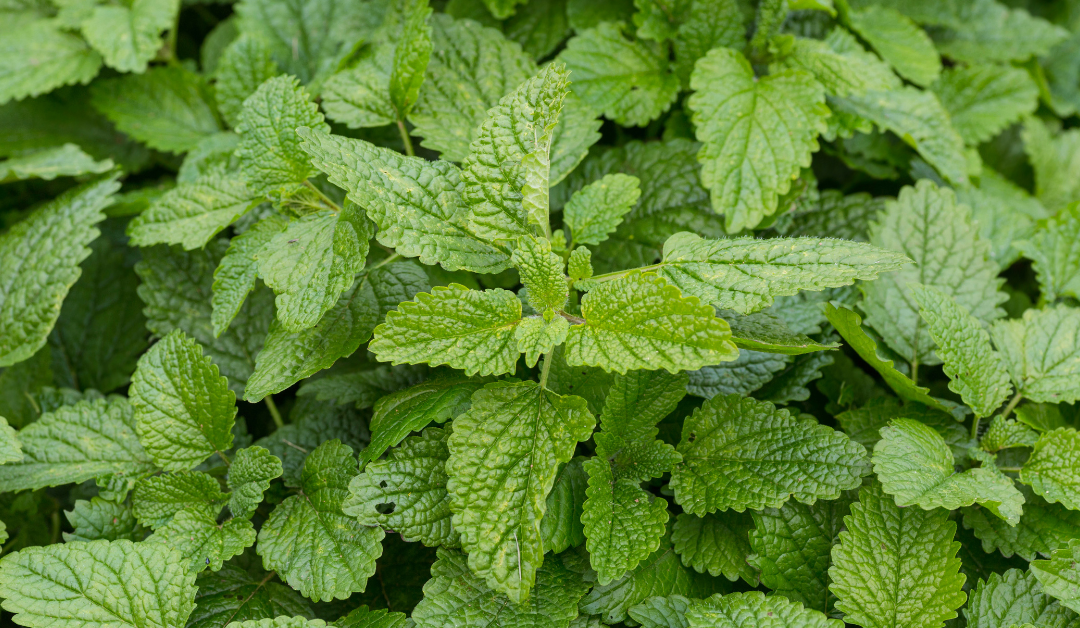
      • 100 grams of lemon balm or mint
      • 100 milliliters of olive oil
      • Beeswax (ratio 1:3 after double boiling olive oil and herbs)
      • 10 drops of vitamin E oil
      • Peppermint essential oil (optional)

      INSTRUCTIONS:

      1. Blend or chop the herbs with oil.
      2. Add them to a heat-resistant jar and double boil for 2 hours, ensuring it’s simmering, not boiling.
      3. After that, strain it using muslin and let the liquid rest for a minimum of 4 hours (we let it sit overnight) so the oil separates from the water.
      4. Once ready, slowly pour it into another jar, being careful not to include the water.
      5. Grate some beeswax in a 1:3 ratio to the liquid.
      6. Double boil until the wax melts.
      7. Let it cool for a few minutes and add the essential oil.
      8. Mix well and transfer to your chosen container.
      9. We don’t use essential oils in this recipe, but if you’d like a stronger aroma, you can add a few drops of peppermint essential oil.


        Benefits of DIY Natural Lip Balm

        1. The combination of olive oil and beeswax deeply nourishes and hydrates your lips. It prevents them from becoming dry and cracked.
        2. Lemon balm and mint are natural therapeutic agents that help soothe and restore damaged lips. They also have a cooling effect that feels great, especially on inflamed skin.
        3. Beeswax forms a protective layer on your lips, shielding them from harsh weather and pollution.
        4. Vitamin E oil is a powerful antioxidant that repairs and protects your lips from free radical damage.
        5. Chemical-Free: Making your own lip balm eliminates the potentially dangerous chemicals and preservatives included in many commercial lip balms.

        Making this lip balm is about more than simply creating them; it’s about the satisfaction of making something useful with your own hands. Making nutritious lip balm is an enjoyable process that helps keep your lips soft and healthy, especially during the winter.

        You can also share it with your friends and family. They’ll appreciate the time you put into making such a beautiful gift. Here’s to having happy, healthy lips!

        0
          0
          Your Cart
          Your cart is emptyReturn to Shop